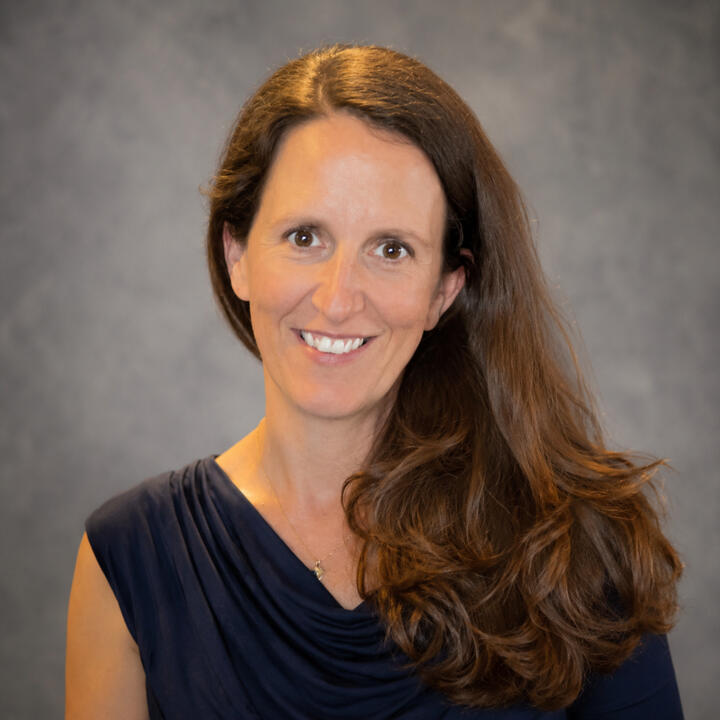
Verena Starke, PhDCNS candidate
Your labs are "normal." You still feel terrible.
If you've spent years managing symptoms without ever understanding why — digestive issues, fatigue, brain fog, inflammation that won't settle — the problem may not be that nothing's wrong. It may be that nobody has looked closely enough.I work with people one-on-one to investigate what's actually driving their symptoms, using lab data, microbiome insights, and the connections between environment, genes, and gut. Online consultations, wherever you are.
How we work together


1. We start with your history — all of it
Before any testing, I want the full picture: your symptoms and when they started, what you've already tried, your diet and daily routine, sleep, stress, medications and supplements, and any labs you already have. Most people arrive with years of records nobody has looked at together. That's usually where the first clues are.
2. We look at the data
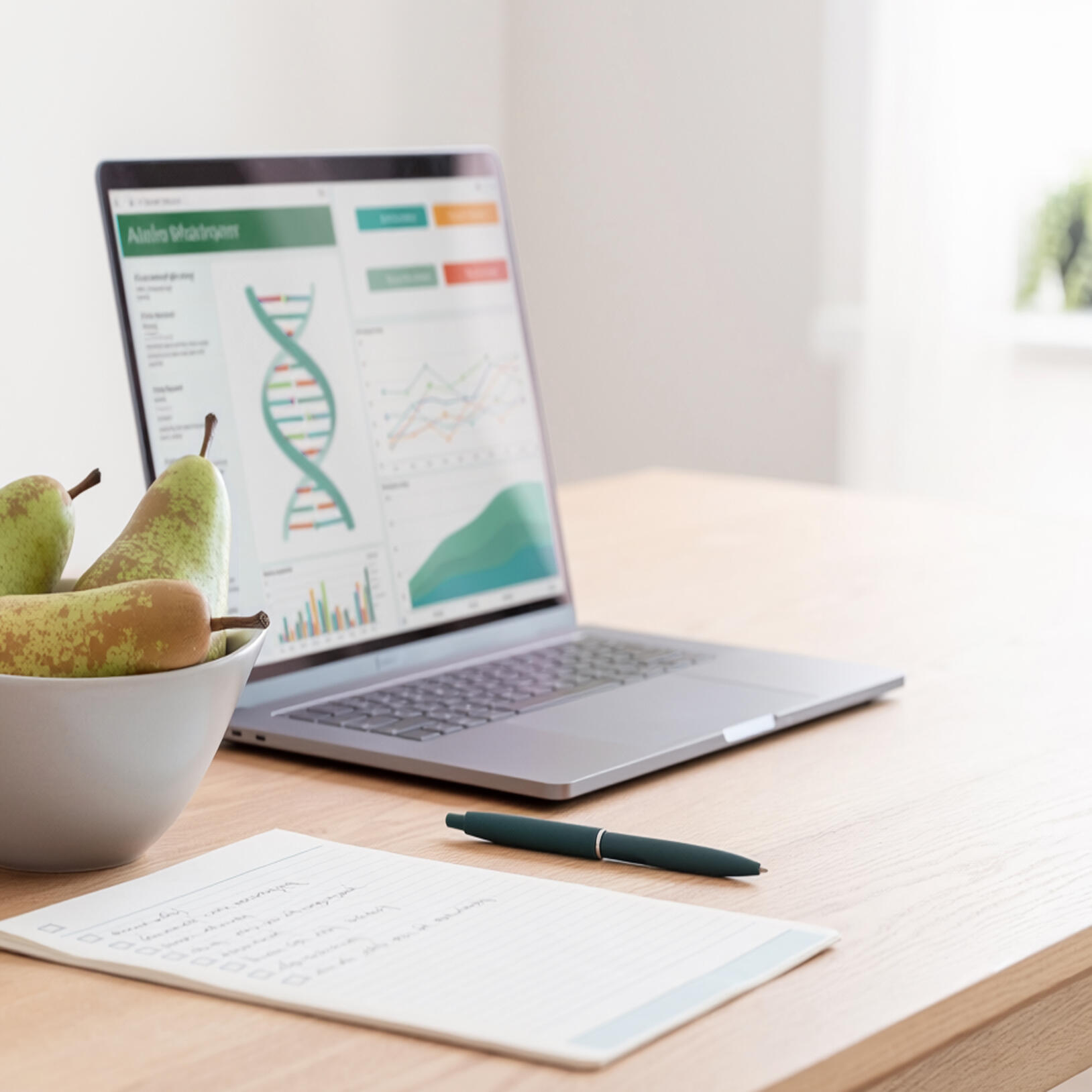
Depending on what your history suggests, this may include reviewing existing bloodwork, or discussing functional testing — stool and microbiome analysis, or nutrigenomic panels that show how your genes affect nutrient needs and detoxification. I'll explain what any test can and can't tell us before you spend money on it. Testing is a tool, not the point.
3. We build a plan you understand
You get a written plan with specific, prioritized changes — food, timing, targeted supplementation where warranted, and lifestyle factors — plus a plain-language explanation of why each one is there and what we expect it to do. If I don't know something, I'll say so.
4. We adjust as we go
Root-cause work isn't a single appointment. We meet regularly, track what changes, and revise. Some things work; some don't. Knowing which is which is how the picture comes together.
All consultations are online. I currently practice under the supervision of licensed faculty at Notre Dame of Maryland University, and I work alongside your physician rather than in place of them — I don't diagnose or treat disease, and I'll refer out when something falls outside my scope.
About me
I'm a graduate student in Nutritional Sciences and Integrative Health at Notre Dame of Maryland University. While I'm still in training, I am closely supervised by licensed faculty throughout the process.My background is in research science, which is what first sparked my interest in nutrition. I’m especially drawn to the science of how the body and metabolism work, and I’m particularly fascinated by the gut microbiome and its role in overall health. I tend to approach things like a detective, trying to connect the dots and understand the full picture, which is what I enjoy most about this work.Before nutrition, I spent over a decade as a microbial ecologist — a PhD from the University of Maryland, research at the Carnegie Institution, and seven years of Arctic fieldwork studying how microbial communities change with their environment. I published on community composition and built analytical tools for profiling it.The gut is the same problem in a different environment. That's what pulled me toward nutrition: I already know how to read microbial community data, and I know how much of what gets said about the microbiome outruns the evidence.